

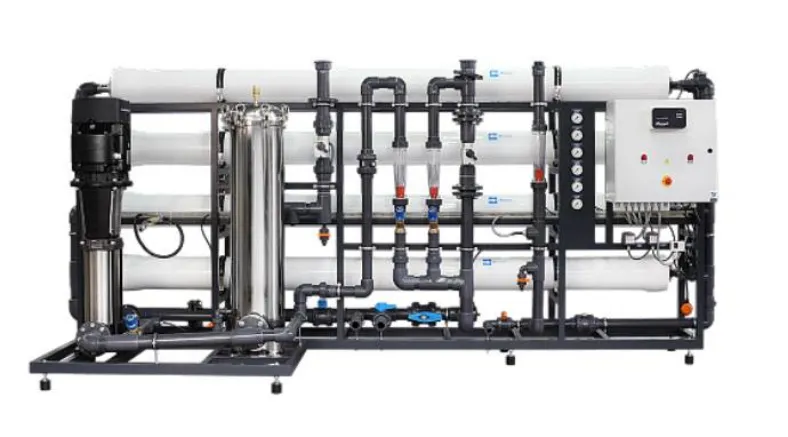
Water treatment performance depends on more than just installing the right equipment. Over time, even the most advanced systems rely on proper servicing, timely replacement parts, and the correct consumables to keep producing consistent, high-quality water. For businesses that depend on reliable water for drinking, boiler and cooling systems, manufacturing, production operations, or effluent treatment, maintaining system efficiency is just as important as the initial treatment design.
That is why understanding the service life and maintenance needs of reverse osmosis treatment plants is essential. Reverse osmosis is one of the most effective membrane-based water treatment processes available, but it performs best when the full system is supported by the right membranes, cartridges, filter replacements, servicing routines, and technical expertise. BWT Africa positions reverse osmosis within a broader portfolio of technologies for drinking water, boiler and cooling water, manufacturing and production operations, and effluent treatment, alongside service and maintenance as well as spares and consumables support.
Why Reverse Osmosis Treatment Plants Need Ongoing Support
Raw water and process water conditions are rarely static. Feed quality can shift with seasonal changes, source variation, production demand, scaling potential, and contaminant loading. Even when a reverse osmosis system is correctly designed, ongoing exposure to dissolved solids, minerals, organics, and suspended matter gradually affects membranes and related components.
This is why reverse osmosis treatment plants should never be treated as once-off installation. Their long-term success depends on a maintenance strategy that protects performance, water quality, recovery rates, and operational efficiency. Without proper servicing, membrane fouling*, pressure loss, declining permeate quality, and premature component wear can reduce the value of the system and increase running costs.
*Membrane fouling is the buildup of unwanted material on a membrane surface or inside its pores during filtration. Things like suspended solids, organic matter, minerals, or microorganisms can clog or coat the membrane, making it less effective.
Understanding the Role of Membranes in RO Performance
At the heart of reverse osmosis systems are hollow fibre or semipermeable membranes. These act as thin-film barriers that are engineered with specific separation characteristics, allowing certain components to pass while rejecting others. BWT Africa’s broader membrane technology offering includes microfiltration, ultrafiltration, nanofiltration, and reverse osmosis, each designed for different levels of separation. Reverse osmosis sits at the high-purity end of this membrane spectrum, removing ions, minerals, and organic contaminants for critical applications.
In a reverse osmosis system, pre-treated water enters through the feed inlet, pressure is applied through a high-pressure pump, and contaminants that do not pass through the membrane are discharged in the concentrate reject stream. A portion of that reject can, in some designs, be recycled to improve recovery. When each part of this process works correctly, the result is dependable high-purity water. When membranes are worn, fouled, or neglected, the whole system suffers.
The Main Spares and Consumables in Reverse Osmosis Treatment Plants
Keeping reverse osmosis treatment plants in top condition means understanding which parts are consumable, which need periodic replacement, and which require servicing.
Reverse Osmosis Membranes
RO membranes are one of the most critical consumables in the system. They perform the actual separation of dissolved contaminants from the water stream. Because they operate under pressure and are exposed to ongoing contaminant loading, they eventually require replacement as part of a normal maintenance cycle.
BWT Africa’s product categories include dedicated ranges for reverse osmosis membranes and cartridges across domestic, commercial and industrial, and hospitality applications.
Cartridges
Cartridges support the broader filtration and treatment process and are often used to protect downstream equipment, improve water quality, or maintain application-specific performance. In hospitality applications, BWT Africa offers various filter products tailored to your application.
Filter Replacement Kits and Pretreatment Components
Pretreatment is essential in protecting the RO membranes from fouling and premature wear. Although reverse osmosis provides very high-purity water, it depends on stable feed quality. Replacement filters and filter kits therefore play a key role in safeguarding membrane life and maintaining system efficiency. BWT Africa’s hospitality category includes various filter and replacement products.
Pumps, Seals, Housings, and Mechanical Components
Not every service item is a consumable, but mechanical parts still require inspection and servicing. The high-pressure pump is especially important because pressure is the driving force that pushes pre-treated water through the membranes. If the pump underperforms, the system cannot achieve the intended separation efficiency. Likewise, seals, housings, and fittings need routine inspection to prevent pressure loss, leaks, and contamination risks.
Why Timely Replacement Matters
Putting off replacement of spares and consumables may seem cost-effective in the short term, but it usually creates larger problems later. Declining membrane performance can reduce water purity. Blocked or exhausted cartridges can increase pressure drop and strain other components. Worn filters can allow more fouling load to reach the RO stage. Over time, this can lead to more frequent cleaning, higher operating costs, reduced recovery, and more unplanned downtime.
Well-maintained reverse osmosis treatment plants do more than produce clean water. They operate more steadily, use energy more efficiently, and help protect the broader treatment investment.
The Link Between Servicing and Energy Efficiency
One of the advantages of membrane systems is that they are energy-efficient compared with more energy-intensive treatment methods, because they are pressure-driven and require lower hydraulic potential energy. Membrane processes are environmentally friendly because they use fewer chemicals and generate less wastewater, while reverse osmosis specifically is valued for producing extremely high-purity water.
That efficiency depends on proper servicing. As membranes foul and filters load up, systems often require more pressure to maintain output. That can increase energy demand and reduce the efficiency benefits the technology is meant to provide. In other words, servicing is not only about preventing breakdowns. It is also about preserving the energy and environmental advantages that make membrane treatment attractive in the first place.
Servicing Priorities for Reverse Osmosis Treatment Plants
A strong servicing plan for reverse osmosis treatment plants usually focuses on five priorities.
- Feed Water Condition Monitoring: The feed inlet is where pre-treated water enters the system. Changes in feed quality directly affect membrane life and system performance. Monitoring feed condition helps operators respond before scaling or fouling causes major damage.
- Pressure and Flow Performance: Because the high-pressure pump drives the process, pressure stability is central to RO performance. Unusual pressure changes can point to fouled membranes, blocked filters, worn pumps, or other service needs.
- Membrane Condition: Membranes should be assessed based on permeate quality, recovery, rejection performance, and pressure behaviour. When performance declines beyond acceptable levels, replacement becomes necessary.
- Cartridge and Filter Change Intervals: Consumables must be replaced according to operating conditions and system demand, not only by calendar dates. A high-load site may require more frequent changes than a lightly used one.
- Concentrate Management and Recovery Optimisation: The concentrate reject stream carries the contaminants that do not pass through the membrane. A portion may sometimes be recycled to improve water recovery, but that requires proper system control and maintenance. If reject handling is neglected, overall process efficiency can drop.
Reverse Osmosis Treatment Plants Across Different Applications
Not all reverse osmosis systems are used in the same way, so spares, consumables, and servicing requirements vary by application.
- Drinking Water Applications: Where treated water is intended for drinking, consistent product quality is critical. Membrane integrity and cartridge condition have a direct effect on water quality outcomes.
- Boiler and Cooling Water Applications: In these systems, poor water quality can lead to scaling, corrosion, and reduced thermal performance. Servicing therefore protects not only the RO system but also the downstream utility equipment it supports.
- Manufacturing and Production Operations: Production environments depend on stable water quality for process control, equipment reliability, and final product consistency. Any drop in membrane performance can quickly affect the wider operation.
- Effluent Treatment and Water Reuse: In reuse applications, the objective is often to recover a valuable water resource for use elsewhere in the operation. That makes uptime, recovery efficiency, and membrane performance especially important. Treatment of process water and effluent is an opportunity to recover water for reuse within operations.
- Hospitality and Point-of-Use Applications: BWT Africa’s hospitality category includes reverse osmosis cartridges, membranes, and system products tailored to filtered water for hospitality environments, showing that application-specific service support is just as relevant in foodservice and beverage settings as it is in industrial water treatment.
Choosing the Right Spares and Consumables
Not all replacement parts are interchangeable in practice. The right consumable must match the system design, application, pressure range, water chemistry, and expected performance target. A membrane or cartridge that is correct for one installation may not be suitable for another.
This is where supplier support matters. BWT Africa offers reverse osmosis-related spares and consumables across domestic, commercial and industrial, and hospitality segments, which helps align replacement products with the demands of each environment.
Signs Your Reverse Osmosis Treatment Plant May Need Servicing
Even without a full technical audit, some common warning signs suggest a system may need attention. These include reduced water output, declining permeate quality, rising operating pressure, more frequent alarms, unusual pump behaviour, inconsistent recovery, or evidence that cartridges and membranes are reaching the end of their effective service life.
The earlier these signs are addressed, the better the chance of avoiding more serious operational issues.
Why a Preventive Maintenance Approach Works Best
Preventive maintenance gives operators control. Instead of reacting after water quality drops or components fail, preventive servicing keeps performance stable and helps plan replacements before they become urgent.
For reverse osmosis treatment plants, this usually leads to better uptime, better protection of downstream equipment, more predictable operating costs, and stronger long-term value from the water treatment investment.
How BWT Africa Supports RO Performance
BWT Africa provides advanced water treatment technologies, services and maintenance, and spares and consumables, with product categories that include reverse osmosis membranes and cartridges for multiple use cases.
FAQs About Reverse Osmosis Treatment Plants
What are reverse osmosis treatment plants used for?
Reverse osmosis treatment plants are used to purify water for applications such as drinking water, boiler and cooling water, manufacturing, production operations, and effluent treatment for reuse. Reverse osmosis membranes remove ions, minerals, and organic contaminants to produce high-purity water.
Why do reverse osmosis treatment plants need spares and consumables?
They rely on components such as membranes, cartridges, and replacement filters that wear over time or become less effective as they capture or reject contaminants. Replacing these items helps maintain water quality, efficiency, and overall system reliability.
What are the most important consumables in reverse osmosis treatment plants?
The most important consumables typically include reverse osmosis membranes, cartridges, and pretreatment filters. BWT Africa’s product categories specifically include reverse osmosis membranes and cartridges across domestic, commercial and industrial, and hospitality applications.
How often should reverse osmosis membranes be replaced?
Replacement intervals depend on feed water quality, system loading, pretreatment effectiveness, and operating conditions. Membranes should be replaced when system performance, rejection, or output quality declines beyond acceptable operating limits.
Why is servicing important for reverse osmosis treatment plants?
Servicing helps preserve pressure performance, water purity, recovery efficiency, and component life. It also helps maintain the energy-efficient and environmentally friendly benefits associated with membrane systems.
What role does pretreatment play in RO maintenance?
Pretreatment protects the reverse osmosis membranes by reducing the contaminant load reaching the RO stage. This helps reduce fouling, improve performance, and extend membrane life.
Can reverse osmosis treatment plants support water reuse?
Yes. Reverse osmosis can be used in process water and effluent treatment where the aim is to recover water for reuse within operations, helping businesses improve water efficiency and reduce waste.
Does BWT Africa offer reverse osmosis replacement products?
BWT Africa’s product categories include reverse osmosis membranes, cartridges, and replacement products for domestic, commercial and industrial, and hospitality applications.
A Smarter Way to Protect Water Quality and System Life
The best-performing reverse osmosis treatment plants are the ones that are maintained with intention. Membranes should be treated as core performance components. Cartridges and filter consumables should be replaced before they compromise the system. Pumps and mechanical components should be serviced to preserve pressure stability and treatment efficiency. And every part of the system should be aligned with the actual water quality needs of the operation.
For businesses treating drinking water, boiler and cooling water, manufacturing water, production streams, or effluent for reuse, this approach delivers more than high-purity water. It supports reliability, efficiency, sustainability, and long-term operational confidence.
When spares, consumables, and servicing are handled properly, reverse osmosis becomes not just a treatment technology, but a dependable performance asset.
Contact BWT Africa today to discuss reverse osmosis treatment plants.